
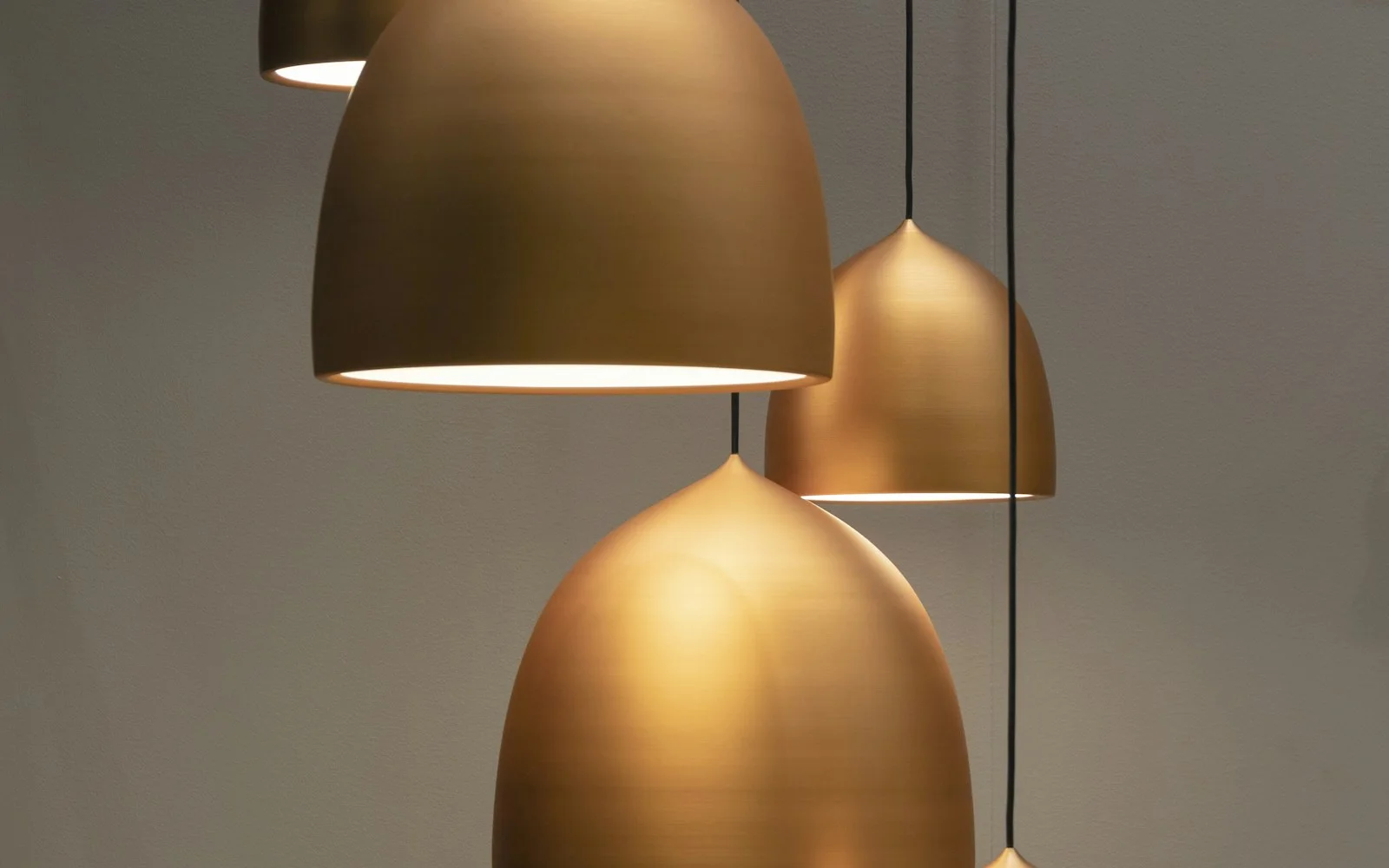
Lighting is the quickest way to change how a room feels. A single bright ceiling light can make even a beautiful space feel flat and cold, while a few well-placed…
Lighting is the quickest way to change how a room feels. A single bright ceiling light can make even a beautiful space feel flat and cold, while a few well-placed lamps instantly add warmth, depth and a sense of calm. The secret designers use is simple: layering.
Layered lighting means using several light sources at different heights and strengths, each with its own job. When they work together, a room looks good at every time of day – bright and practical in the morning, soft and cosy at night.
1. Start with ambient light
Ambient light is your base layer – the soft, even glow that lets you move around a room safely. In most homes this comes from ceiling lights or natural daylight. The trick is not to rely on it alone. Fit warm white globes (around 2700K) and, if you can, a dimmer, so the overhead light becomes a gentle background rather than a harsh spotlight.
2. Add task lighting where you need it
Task lighting is focused light for reading, working, cooking or doing your makeup. A rechargeable LED touch table lamp is ideal here: you can set it to a cool white for reading, then switch to warm light for the evening. Because it is cordless, you can move it from your desk to the bedside without hunting for a power point.
Good spots for task lights include bedside tables, home office desks, reading chairs and bathroom vanities.
3. Use accent lighting to create mood
Accent lighting is the layer that makes a room feel special. It highlights a shelf, a corner or a favourite object and adds pockets of warm light at different heights. Try a retro bellflower aromatherapy lamp on a console table or a wooden mushroom night light on a bookshelf – small, low glows like these make a room feel lived-in and inviting.
4. Bring in a playful layer
Lighting does not have to be purely practical. A galaxy star projector fills the ceiling with soft stars and waves – lovely for kids’ rooms, movie nights or simply winding down before sleep. Use it as a final layer once the main lights are off.
5. Keep the colour of your light consistent
Mixing very cool and very warm globes in the same room can look patchy. For living rooms and bedrooms, stay with warm white. Save cooler light for kitchens, laundries and work areas where you need to see detail.
6. Light at different heights
A balanced room has light low (floor or side-table lamps), in the middle (table lamps and wall lights) and high (ceiling). Aim for at least three light sources in a living room and two in a bedroom, spread around the space rather than clustered in one corner.
Quick checklist
- Warm white globes and a dimmer for your ceiling light
- One task lamp where you read or work
- Two or more small accent lights at different heights
- Lights spread across the room, not all on one side
Ready to warm up your space? Explore our full range of table lamps and night lights, or read how to use mirrors to bounce light around a small room.

Nest Nero Team
The Nest Nero team curates warm, characterful decor and shares simple ideas for making every room feel like home.


